Where did the number come from?
Headline numbers are not measurements of the sky. They are consequences of what was treated as known. Change the unknown, and the conclusion moves.
Two numbers, two assumptions
Do not flatten this to Musk: one in billions, Kipping: fifty-fifty. Those numbers come from different assumptions. Neither number is a measurement of the sky. Both are inferences from what was treated as known.
Musk · 2016
1 / 10⁹
One in billions
If games keep improving, they become indistinguishable from reality. Then the odds that we are in base reality are one in billions.
The jump from a graphics trajectory to one in billions is not a measurement. It assumes the indistinguishable runs are then numerous.
Kipping · 2020
< ½
Less than half
Once you include uncertainty about whether such simulations are possible at all, the probability that we are simulated is less than 50 percent in the setup he studies. It approaches 50 percent only in the limit of infinitely many simulations.
If we actually created Bostrom-like simulations with conscious observers, the evidence would change. The odds would then shift sharply toward our being simulated.
If possibility itself is unknown, Kipping’s average stays below one half. It only approaches one half if you already grant infinitely many simulations.
17 May 2026
A good chance we’re in a simulation, not that we’re definitely in one
Same speaker, two months. Credence is not a constant. Open the post
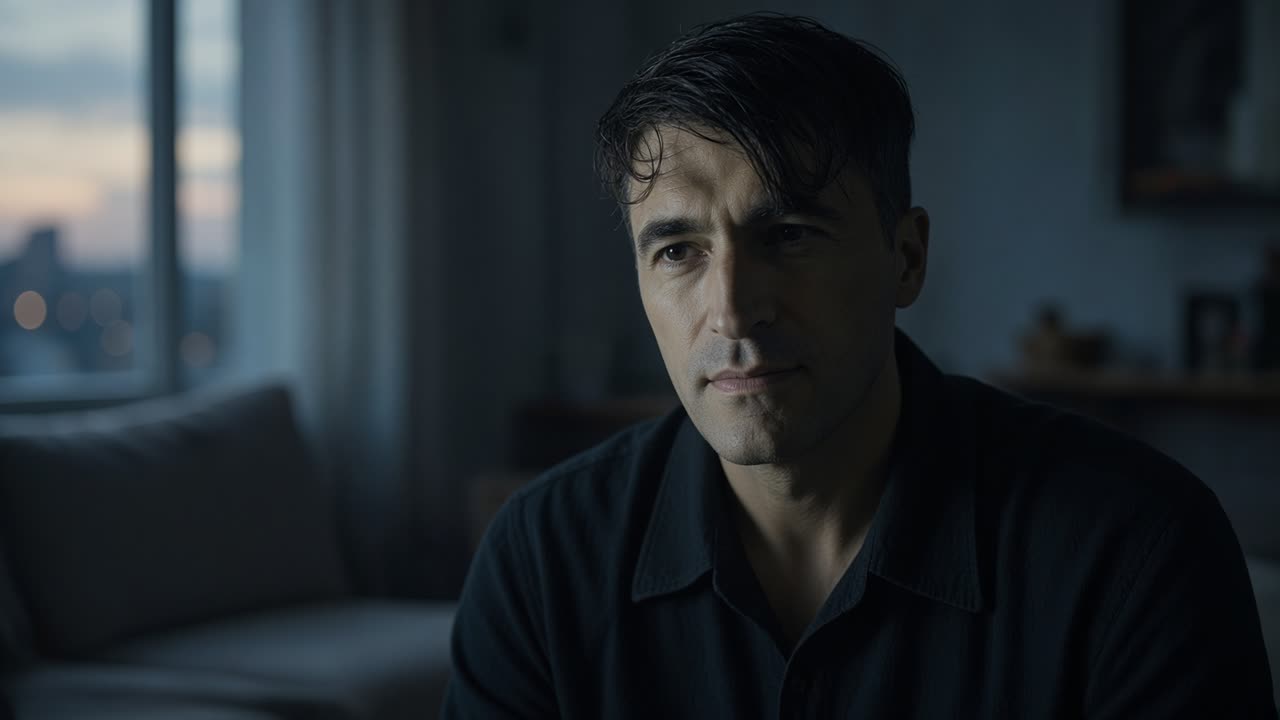
A Columbia astronomer ran the famous odds a different way. Less than half, not one in billions. The number moves when you change what you treat as known.
The probability that we are sims is less than half.
David KippingCool Worlds4 September 202020:32
Source notes
Because the possibility of ancestor-simulations is itself unproven, Bayesian model averaging keeps the probability that we are sims below one half.
The paper the walk already cites, spoken on his own channel. A rival to the one-in-billions headline, not a measurement of the sky.
Not Musk’s 2016 games argument. Not a proof we are in base reality. The conclusion moves if the prior moves.
Official Cool Worlds upload, 4 September 2020. Start 20:32, the probability section. Paper: Universe 6, no. 8 (2020).
David Kipping, “A Bayesian Approach to the Simulation Argument,” Universe 6, no. 8 (2020): 109.
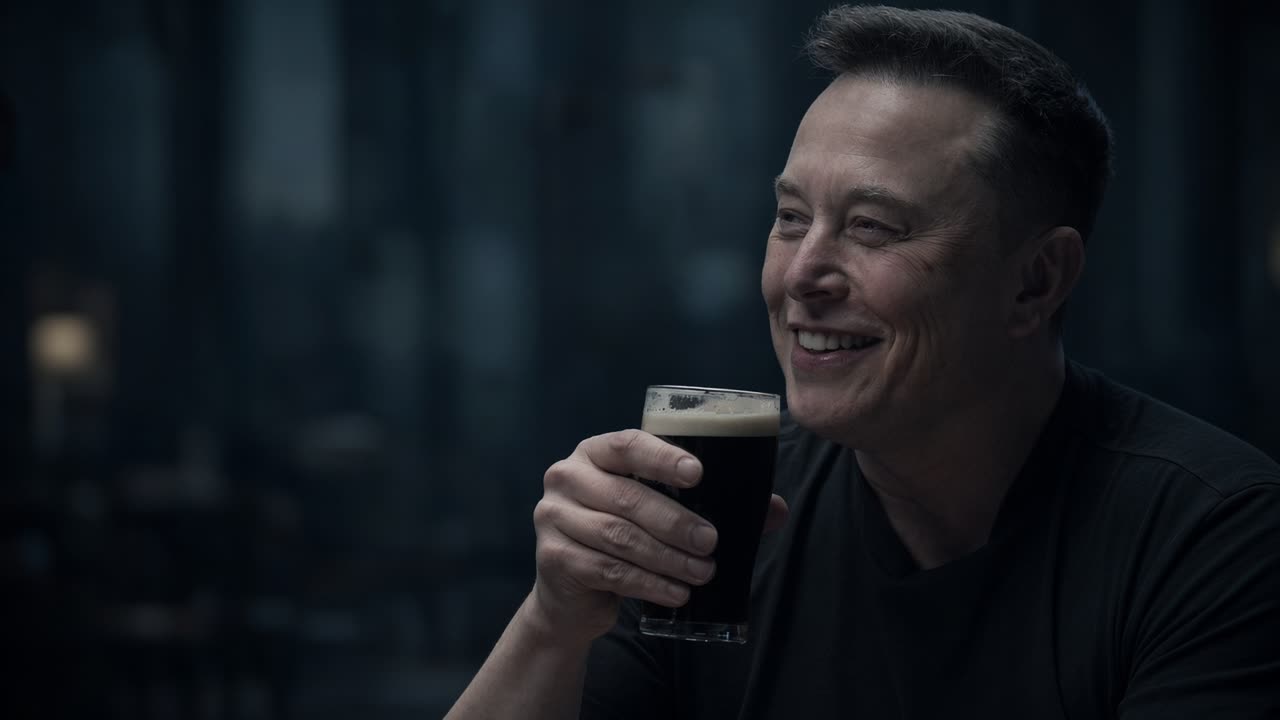
In 2026 Musk offered another number-shaped thought: if simulations that bore us are terminated, interesting outcomes become more likely. Treat it as a distinct claim species, not as Kipping, and not as 2016.
If simulation theory is correct, the most interesting outcome may be more likely.
Elon MuskDwarkesh Patel, with John Collison5 February 202657:27
Source notes
If simulation theory is correct, the most interesting outcome may be more likely, because boring simulations would be terminated.
Selection for interestingness, offered as theory, with an engineering analogy. Section about 57:27.
Not a scientific probability law. Not the 2016 games argument.
Official Dwarkesh Patel upload, 5 February 2026.