Would pain hurt less?
Would Love matter less?
Would beauty become fake?
Would responsibility disappear?
Would another consciousness become less Other?
What would actually change?
Even in a Matrix-like simulation there can still be real objects, real people, and meaningful lives within that world.
David J. Chalmers, Reality+: Virtual Worlds and the Problems of Philosophy (New York: W. W. Norton, 2022).
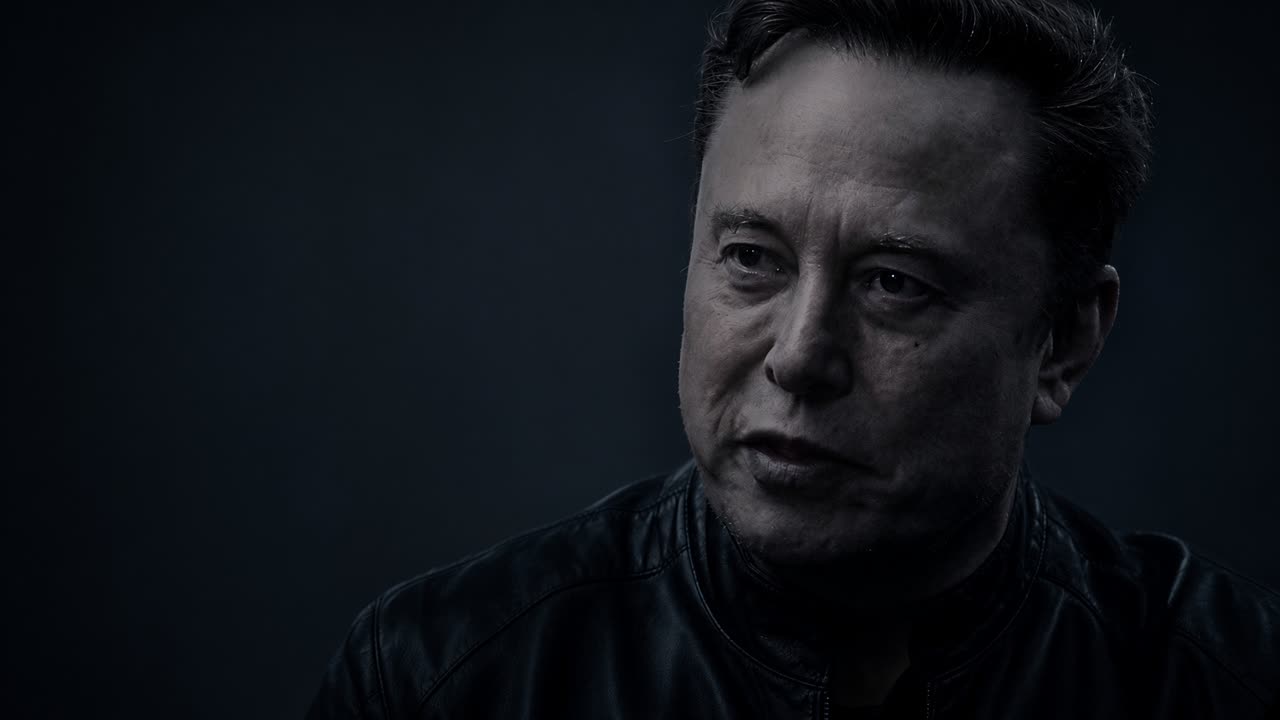
In July 2026, speaking with The Economist, Musk treats the surreal character of what is actually happening as a reason the thought is hard to put down. Not a new derivation. A lived observation.
Elon MuskThe Economist, The Insider29 July 202648:18
Source notes
I think the world makes me believe in simulation theory. The things I’m doing are so preposterous that it’s hard to believe they’re real.
A lived-surreal observation, not a new derivation. He points at the gap between what used to be science fiction and what is actually being built, then treats that gap as a clue about reality. Official full interview, about 48:18.
Not the 2016 probability argument restated. Not a laboratory result. Not a claim that Starship proves a simulator.
Official The Economist upload, 29 July 2026. Start 48:18 from available transcript timing of the official full interview.
I think the world makes me believe in simulation theory.